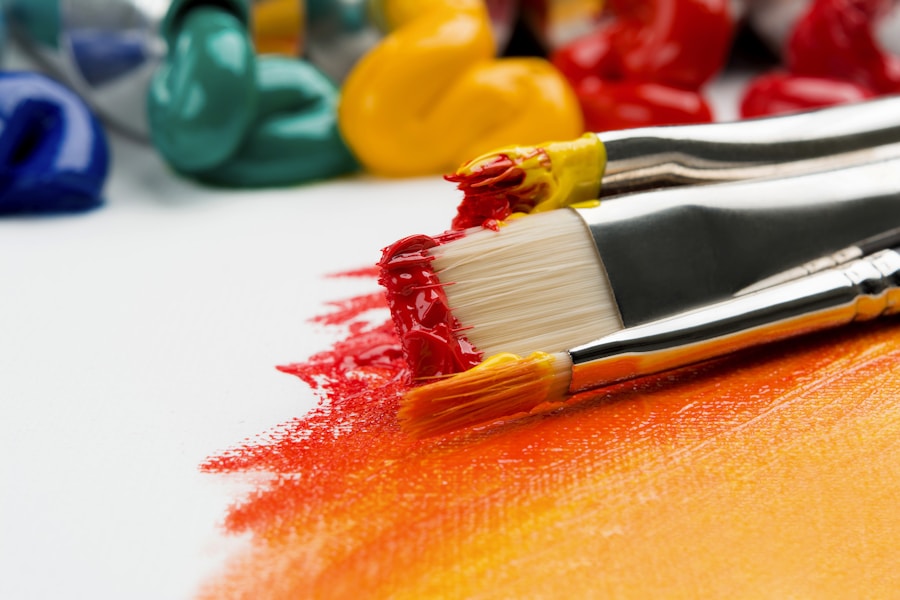
Imagine for a moment the vibrant colors of a child's drawing, not just as a simple form of entertainment but as a window into their blossoming intellect and emotional landscape. Across our society, creative arts serve as a dynamic engine driving personal growth and community cohesion. Close your eyes and envision kids gathering in a hub of creativity, fingers eagerly reaching for crayons, eyes bright with wonder as they learn to navigate their own emotional worlds. Through artistic practices, they are afforded an invaluable opportunity to explore, express, and expand upon their unique experiences and perceptions. It's not just about fostering future Picassos or Chopins; rather, it's about shaping young individuals who are more attuned to their emotions and the nuances of social interactions.
The dialogue about youth development harnessing creative arts envelopes not just schools and homes but extends into the very heart of communities that engage actively with the youth. At its core lies a rich tapestry of shared moments and collective enthusiasm, a nurturing ground for innovation in thinking and personal exploration. Here, within these creative sanctuaries, every brushstroke, every note struck, is a step toward crafting not just artistic skill but lifelong resilience and an inclusive sense of identity. Picture arts programs set as gardens of potential where seeds of imagination take root, encouraged to flourish and sprout in myriad directions—from fine-tuning motor skills to sparking unparalleled imaginative thinking that feeds into problem-solving capabilities essential for future challenges.
The Role of Creative Arts in Early Childhood Development
Creative arts play a crucial role in early childhood development, offering a myriad of benefits that shape young minds in profound ways. Engaging in arts activities such as drawing, painting, and music-making introduces children to a world of expression and creativity that significantly boosts emotional intelligence. Through artistic experiences, children learn to articulate their feelings and emotions more effectively. For instance, a simple drawing can act as a conversation starter for adults to engage with children about their emotional world, helping youngsters develop empathy and understand complex emotions.
Furthermore, the benefits of creative arts for young children's development extend to enhancing motor skills. Activities such as cutting paper, holding a paintbrush, or playing a musical instrument challenge and refine fine motor skills. These activities help children develop hand-eye coordination and dexterity, which lay the foundation for writing and other essential tasks they will face in their educational journey.
Another remarkable advantage gained from stimulating creative arts experiences in early childhood education is the promotion of imaginative thinking. As children engage with fantasy play, storytelling, or any form of creative expression, they stretch the limits of their imagination. Imaginative play is a critical component of problem-solving skills; children who regularly participate in artistic activities are more likely to approach challenges with innovative solutions.
Harnessing the Arts for At-Risk Youth and Broader Youth Development
Arts programs for at-risk youth have a tremendous impact on youth development, particularly when addressing the multifaceted challenges these individuals face. These programs serve as a sanctuary, offering a sense of community and belonging, while simultaneously fostering personal growth and autonomy. At the heart of these initiatives lies the Creative Youth Development (CYD) framework, which emphasizes the integration of artistic practice with youth development principles. Through this framework, arts programs do not just teach a skill or suggest a hobby; they empower young people by providing them with the tools they need to navigate their personal struggles and thrive creatively.
A crucial aspect of harnessing the arts for at-risk youth is the collaboration between organizations, schools, and community stakeholders. This holistic approach aligns with the CYD framework, aiming to develop not only artistic talent but multidimensional growth and empathy. These initiatives thrive when communities invest, supporting not just the physical space but the very ethos of nurturing the creative spirit within every young individual. We believe that by immersing young individuals in creative processes, they develop invaluable life skills—confidence, empathy, creativity—that prepare them for a journey filled with potential and achievement.